Table of Contents
- – Comprehending the Trauma-Eating Problem Connec...
- – Richard Sontgerath
- – Brainspotting: Accessing Trauma Via Visual Han...
- – Accelerated Resolution Therapy: Rapid Injury P...
- – Specialized Injury Treatment for Narcissistic ...
- – Integrating Anxiousness Treatment with Consumi...
- – Discovering Specialized Therapy: What to Look For
- – The Course Forward: Integrated Recovery
Holistic Health Program
When conventional talk treatment fails to resolve the deep-seated injury underlying eating conditions, specialized healing techniques can supply breakthrough healing. For individuals fighting with binge eating condition, anxiety, or the after-effects of narcissistic abuse, innovative trauma-focused therapies are improving healing outcomes in profound ways.
Comprehending the Trauma-Eating Problem Connection

The partnership between stressful experiences and disordered consuming patterns runs deeper than several recognize. Research study constantly demonstrates that individuals with binge eating condition often have histories of complex trauma, consisting of psychological abuse, egotistical connections, and chronic anxiousness. The brain's action to unrefined trauma frequently shows up via efforts to regulate frustrating feelings through food-- developing cycles that conventional dietary techniques alone can not damage.
Richard Sontgerath
I am familiar with Brooke’s successful Nutrition & Mental Health Practice but am even more familiar with her personal traits which she brings to this Practice. Brooke is admired, respected & loved by both her family & her clients. She is highly intelligent, empathetic, loving, respectful & generous in all her relationships personal & professional. I am happy for anyone who is able to work with her. Richard Sontgerath
Injury doesn't just live in our memories. It ends up being encoded in the body and anxious system, triggering automatic responses that drive compulsive actions. This neurological reality discusses why self-discipline and dish strategies often stop working without dealing with the underlying trauma style. Efficient therapy calls for methods that access and reprocess these deeply stored terrible experiences at their neurological resource.
Brainspotting: Accessing Trauma Via Visual Handling
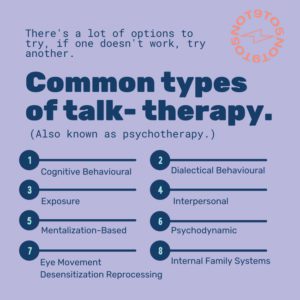
Brainspotting represents one of one of the most innovative advances in injury therapy over the previous two years. This technique acknowledges that where we look impacts just how we really feel-- and therapists trained in brainspotting usage this phenomenon to aid clients access and process stressful memories saved in subcortical brain areas.
Throughout brainspotting sessions, specialists aid customers determine certain eye settings that associate with traumatic activation in the body. By keeping focused attention on these "" brainspots"" while refining difficult memories or experiences, customers can release injury that verbal therapy can not reach. For individuals with binge eating problem, this method verifies specifically beneficial because eating disorders usually create as coping systems for injuries that predate language or mindful memory.
The somatic focus of brainspotting makes it especially efficient for injury survivors whose bodies have found out to utilize food for emotional policy. Rather than intellectually understanding injury, clients experience direct resolution of the nervous system dysregulation that drives uncontrollable eating patterns.
Accelerated Resolution Therapy: Rapid Injury Processing
Accelerated Resolution Treatment (ART) provides another powerful tool for trauma survivors, specifically those exhausted by years of processing without progression. This evidence-based strategy incorporates aspects of eye motion therapy with volunteer picture replacement methods to assist customers resolve distressing memories in incredibly few sessions-- commonly in between one and five.
What differentiates ART from other injury treatments is its concentrate on transforming exactly how terrible memories are saved without needing customers to vocally recount excruciating details. For survivors of egotistical abuse who might feel shame or self-blame around their experiences, this aspect of ART therapy supplies critical emotional security. Clients can heal without re-traumatization with thorough narration.

The therapy functions by making use of bilateral eye movements to facilitate the brain's all-natural processing mechanisms while the client concentrates on distressing photos or experiences. With directed visualization strategies, clients after that change distressing imagery with more flexible pictures, effectively reprogramming just how memories are kept and accessed. This strategy has actually revealed specific guarantee for people whose eating problems established as responses to connection injury or psychological misuse.
Specialized Injury Treatment for Narcissistic Misuse Healing
Egotistical abuse produces a special kind of facility injury that traditional treatment methods commonly have a hard time to address efficiently. The gaslighting, adjustment, and organized erosion of self-worth intrinsic in egotistical relationships need specialized healing understanding. Numerous survivors create eating disorders as they try to restore control in connections where their reality has been constantly rejected or distorted.
Trauma-informed therapists that focus on egotistical abuse recovery recognize that recovery requires more than processing specific events. Survivors require aid rebuilding their sense of fact, reconnecting with their instinct, and creating healthy limits-- all while addressing the physiological trauma actions that might show up as disordered consuming, persistent stress and anxiety, or hypervigilance.
Reliable therapy for egotistical abuse survivors integrates psychoeducation regarding manipulation tactics with somatic methods that assist clients reconnect with their body's wisdom. This mix confirms crucial since conceited misuse especially targets victims' rely on their own assumptions and sensations-- the very sources needed for intuitive eating and emotional policy.
Integrating Anxiousness Treatment with Consuming Problem Treatment
Stress and anxiety and eating problems exist in a bidirectional relationship, each aggravating the other in self-reinforcing cycles. Binge eating episodes frequently follow durations of intense stress and anxiety, as food offers temporary relief from overwhelming nerves activation. The after-effects of bingeing normally sets off more anxiety, embarassment, and physiological stress and anxiety-- continuing the cycle.
Comprehensive anxiousness treatment within injury treatment addresses these interconnected patterns at multiple levels. Cognitive methods aid customers determine and test anxiety-driven thought patterns, while somatic strategies show nerves regulation skills that lower the need for food-based coping. Exposure-based interventions progressively boost clients' capability to tolerate uncomfortable emotions without turning to binge consuming.
The most efficient anxiousness treatment for consuming problem recovery identifies that trying to eliminate anxiety completely is both difficult and detrimental. Rather, treatment focuses on creating a healthier relationship with anxiety-- finding out to experience it as details instead than emergency, and structure self-confidence in one's capacity to ride emotional waves without numbing through food.
Discovering Specialized Therapy: What to Look For
Selecting a therapist or therapy facility for injury and eating disorder recuperation needs careful consideration. The most efficient companies use numerous crucial elements:
- Trauma-informed care that identifies eating disorders as adaptive actions to frustrating experiences instead of mere behavior problems
- Specialized training in evidence-based trauma handling modalities like brainspotting or ART treatment
- Understanding of complex trauma presentations consisting of narcissistic misuse and developmental injury
- Combination of nervous system law techniques alongside cognitive and behavioral methods
- Recognition that recovery takes place in connection, calling for restorative attunement and safety and security
- Flexibility to adapt treatment rate and methods to private nerves ability
Service providers like Ups And Downs Therapy in Seattle exhibit this extensive method, providing specialized injury therapy that resolves the intricate relationships between previous experiences, present eating patterns, and total emotional well-being. Their concentrate on evidence-based methods integrated with deep understanding of injury's physical influences creates conditions for genuine improvement as opposed to symptom management alone.
Lynnwood, WAThe Course Forward: Integrated Recovery
Healing from trauma-related eating disorders calls for persistence, specialized support, and approaches that honor the profound ways trauma shapes both body and mind. While the trip needs guts and commitment, the combination of cutting-edge injury therapies supplies expect healing that attends to root causes instead of surface area behaviors.
For people all set to move beyond the limitations of standard strategies, looking for therapists learnt brainspotting, ART therapy, and conceited abuse recovery can open brand-new paths to liberty from both distressing pasts and disordered eating patterns. The mind's remarkable capacity for healing, when sustained by ideal healing intervention, makes full recovery not simply possible however significantly probable.

Table of Contents
- – Comprehending the Trauma-Eating Problem Connec...
- – Richard Sontgerath
- – Brainspotting: Accessing Trauma Via Visual Han...
- – Accelerated Resolution Therapy: Rapid Injury P...
- – Specialized Injury Treatment for Narcissistic ...
- – Integrating Anxiousness Treatment with Consumi...
- – Discovering Specialized Therapy: What to Look For
- – The Course Forward: Integrated Recovery
Latest Posts
Combined Therapy Methods treating Multiple Mental Health Issues
Generational Differences in Heritage Communities
Why Trauma Healing Takes Priority in Long-Term ED Healing
Navigation
Latest Posts
Combined Therapy Methods treating Multiple Mental Health Issues
Generational Differences in Heritage Communities
Why Trauma Healing Takes Priority in Long-Term ED Healing